✖

Jan, 20 2026
Introduction
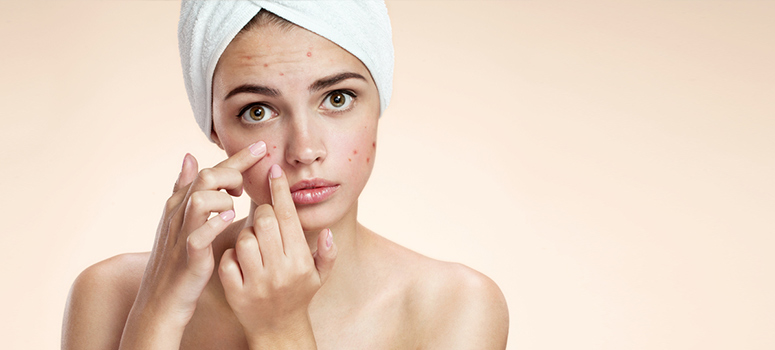
Acne is no longer limited to teenage years. An increasing number of women develop persistent or late-onset acne in their 20s, 30s, and even 40s. Adult acne is often more stubborn, emotionally distressing, and commonly associated with pigmentation and scarring.
Unlike teenage acne, adult female acne requires a medical, hormone-aware, and skin-barrier-friendly approach. This blog explains why adult acne occurs, why conventional treatments fail, and how a dermatologist treats it effectively.
If you are searching for the best skin specialist in Delhi, Chattarpur, or Faridabad for adult acne, understanding this difference is crucial.
How Adult Acne Differs from Teenage Acne
|
Teenager Acne |
Adult Female Acne |
|
Excess Oil |
Sensitive or combination skin |
|
Forehead & Nose |
Jawline, chin, cheeks |
|
Fewer marks |
Pigmentation & Scar common |
|
Quick healing |
Slow Recovery |
|
Responds to OTC creams |
Needs medical care |
Why Adult Acne Occurs in Women
1. Hormonal Imbalance
Hormonal fluctuations are the most common cause of adult acne.
Triggers include:
• PCOS
• Irregular cycles
• Pregnancy or IVF
• Perimenopause
• Stress-induced cortisol rise
These hormones stimulate sebaceous glands, leading to deep, painful breakouts, especially on the jawline.
2. Stress & Cortisol
Chronic stress increases cortisol levels, which:
• Increases oil production
• Delays skin healing
• Worsens inflammation
This explains acne flare-ups during emotionally demanding phases of life.
3. Improper Skincare & Overuse of Actives
Many women unknowingly damage their skin barrier by:
• Overusing retinol
• Excessive exfoliation
• Following influencer routines unsuited to Indian skin
A damaged barrier worsens acne instead of improving it.
4. Cosmetic & Lifestyle Triggers
• Comedogenic makeup
• Poor sleep
• High glycaemic diet
• Frequent face touching
Why do women get acne in adulthood?
Adult acne in women occurs due to hormonal fluctuations, stress, lifestyle factors, PCOS, cosmetic products, and genetic predisposition. Unlike teenage acne, it often affects the jawline and chin. A dermatologist evaluates the cause before starting targeted treatment.
Why Over-the-Counter Acne Treatments Often Fail
OTC products:
• Treat surface acne only
• Ignore hormonal and inflammatory components
• Often worsen pigmentation in Indian skin
This is why adult acne recurs despite months of self-treatment.
Dermatologist-Led Approach to Adult Acne at Skination
Step 1: Detailed Acne Assessment
A dermatologist evaluates:
• Acne type (inflammatory, hormonal, comedonal)
• Skin sensitivity
• Pigmentation tendency
• Lifestyle & hormonal history
Step 2: Medical Treatment (Customized)
Depending on severity:
• Pregnancy-safe topical medications
• Anti-inflammatory agents
• Barrier-repair products
Oral medications are used only when necessary and under strict supervision.
Step 3: Procedural Support (When Indicated)
Procedures are introduced only after inflammation is controlled:
• Chemical peels
• Acne-safe lasers
• Light-based therapies
These reduce pigmentation and prevent scarring.
What is the best treatment for adult acne in women?
The best treatment for adult acne in women depends on acne severity and hormonal status. Options include topical retinoid alternatives, oral medications, chemical peels, laser therapy, and lifestyle modification. Treatment planned by a skin specialist provides better long-term control.
When should women consult a dermatologist for acne?
Women should consult a dermatologist if acne is persistent, painful, hormonal, or causing pigmentation and scars. Early professional treatment prevents long-term skin damage and recurrent breakouts.
Managing Pigmentation Along side Acne
Post-inflammatory hyperpigmentation is extremely common in Indian skin.
Effective management includes:
• Strict sun protection
• Controlled actives
• Gradual correction
Aggressive treatment worsens marks.
Timeline for Results
• Acne control: 6–8 weeks
• Pigmentation improvement: 3–4 months
• Scar correction: staged, long-term
Adult acne treatment requires patience and consistency.
Common Myths About Adult Acne
Myth: Acne after 30 is normal and untreatable
Fact: Adult acne is highly treatable with medical care
Myth: Stronger creams work faster
Fact: Over-treatment worsens acne
Myth: Only oily skin gets acne
Fact: Sensitive and dry skin can also develop acne
Why Choose a Dermatologist for Adult Acne
Treating adult acne requires:
• Knowledge of hormones
• Understanding of Indian skin
• Pigmentation-safe protocols
This is why consulting the best skin specialist in Faridabad or Delhi makes a significant difference.
FAQs
Is adult acne hormonal?
In most women, yes. Hormones play a major role even when cycles are regular.
Can adult acne be cured permanently?
Acne can be controlled long-term with proper treatment and maintenance.
Does acne treatment worsen pigmentation?
Improper treatment can. Dermatologist-led care prevents this.
Final Takeaway
Adult acne is not a cosmetic nuisance—it is a medical condition requiring individualized care. With the right dermatologist, acne can be controlled without damaging skin or confidence.