


✖

May, 26 2026
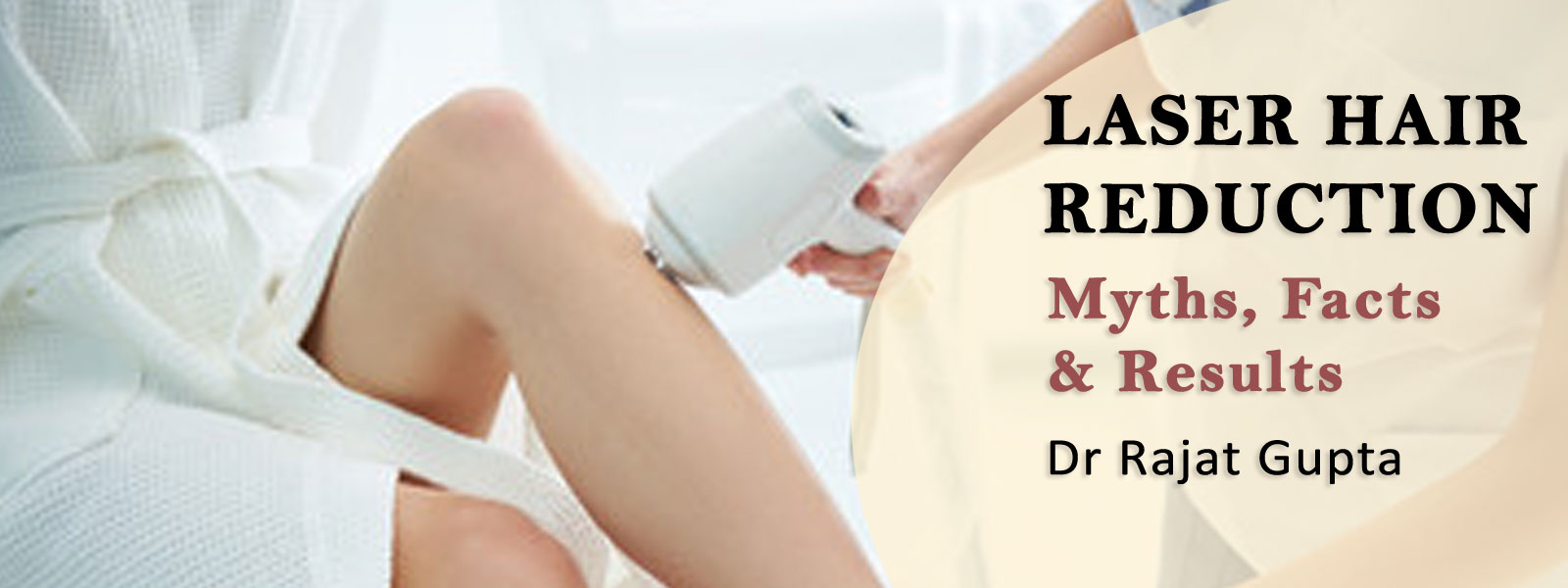
Laser hair reduction has become one of the most commonly performed aesthetic dermatology procedures worldwide. Increasingly, both women and men are choosing laser-based treatments to reduce unwanted hair growth and minimize the inconvenience of repeated waxing, shaving, threading, or epilation.
Yet despite its growing popularity, laser hair reduction remains surrounded by confusion and misinformation.
At Skination Clinic, patients from Faridabad, South Delhi, Chhatarpur, Gurgaon, and across Delhi NCR frequently ask questions such as:
* Is laser hair removal permanent?
* Is laser safe for Indian skin?
* Does laser increase hair growth?
* Is it painful?
* How many sessions are needed?
* Can laser cause pigmentation?
* Does laser affect fertility?
Understanding the science behind laser hair reduction helps patients make safer and more realistic treatment decisions.
What Is Laser Hair Reduction?
Laser hair reduction is a medical procedure that uses focused light energy to target hair follicles.
The pigment (melanin) within the hair absorbs laser energy, which helps damage the follicle and reduce future hair growth over time.
The procedure is called “hair reduction” rather than “permanent hair removal” because:
* some follicles may recover partially
* hormonal influences can trigger regrowth
* maintenance sessions are sometimes needed
However, many patients experience long-term significant reduction in hair growth after completing recommended sessions.
How Does Laser Hair Reduction Work?
Hair grows in cycles:
1. Anagen (active growth phase)
2. Catagen (transition phase)
3. Telogen (resting phase)
Laser treatments work best during the anagen phase when the follicle contains the highest pigment concentration.
Since not all hairs are in the same growth phase simultaneously, multiple treatment sessions are necessary.
This is one of the most important concepts patients should understand before starting treatment.
Why Are Multiple Sessions Needed?
One of the most common misconceptions is:
“One laser session should permanently remove all hair.”
In reality, hair follicles cycle at different times.
Multiple sessions are required because:
* only actively growing follicles respond optimally
* dormant follicles may activate later
* hormonal influences may affect regrowth
The exact number of sessions varies depending on:
* body area
* hair thickness
* hormonal profile
* skin type
* genetics
Is Laser Hair Reduction Permanent?
Laser hair reduction can significantly reduce:
* hair density
* thickness
* growth speed
Many patients experience smoother skin and substantially less regrowth after completing treatment sessions.
However, hormonal changes and individual biological factors may cause some regrowth over time.
Maintenance sessions are commonly recommended for long-term upkeep.
Is Laser Safe for Indian Skin?
Modern laser technologies can be safely used in Indian skin types when:
* appropriate machines are selected
* correct settings are used
* treatments are performed under trained supervision
Indian skin contains higher melanin levels, which makes proper laser selection extremely important.
Incorrect settings may increase the risk of:
* burns
* irritation
* pigmentation changes
This is why dermatologist-guided laser treatment is strongly preferred over unregulated settings.
Which Laser Is Commonly Used for Hair Reduction?
Different technologies may be used depending on:
* skin tone
* hair type
* treatment area
Commonly used systems include:
* diode lasers
* Nd:YAG lasers
* alexandrite lasers
Selection depends on individualized assessment rather than one machine being universally “best.”
Is Laser Hair Reduction Painful?
Most patients describe the sensation as:
* mild snapping
* warmth
* tolerable discomfort
Pain perception varies depending on:
* body area
* skin sensitivity
* machine technology
* individual tolerance
Modern cooling systems have significantly improved patient comfort during treatment.
Does Laser Hair Reduction Cause More Hair Growth?
This concern is frequently discussed online.
In rare cases, some patients may experience paradoxical hypertrichosis — a condition involving stimulation of finer hair growth around treated areas.
This appears to occur more commonly:
* in hormonally sensitive patients
* when inappropriate laser parameters are used
* in certain facial areas
Proper patient selection and treatment planning help reduce this risk.
Can Hormonal Problems Affect Laser Results?
Yes.
Conditions such as:
* PCOS
* hormonal imbalance
* endocrine disorders
may influence:
* hair growth patterns
* treatment response
* maintenance requirements
Patients with hormonal hair growth may still benefit significantly from laser hair reduction, but they may require:
* additional sessions
* maintenance treatments
* hormonal management
for optimal long-term results.
Is Laser Better Than Waxing or Shaving?
Laser hair reduction offers advantages such as:
* long-term reduction in growth
* reduced ingrown hair
* smoother skin texture
* decreased need for repeated hair removal
Unlike waxing, laser does not repeatedly traumatize the skin mechanically.
Patients prone to:
* folliculitis
* razor bumps
* pigmentation from waxing
often prefer laser-based approaches over time.
Can Laser Hair Reduction Help Ingrown Hair?
Yes.
Laser hair reduction is often helpful for patients experiencing:
* recurrent ingrown hairs
* razor bumps
* folliculitis
* shaving-related irritation
Reducing hair density may decrease repeated follicular inflammation.
Is Laser Hair Reduction Safe for Sensitive Areas?
Laser treatments are commonly performed on areas including:
* face
* underarms
* bikini area
* legs
* arms
* back
Treatment suitability depends on individual skin evaluation and proper technique.
Does Laser Affect Fertility?
No scientific evidence suggests that properly performed laser hair reduction affects fertility.
Laser energy targets superficial hair follicles and does not penetrate deeply enough to affect reproductive organs.
This is one of the most common myths encountered in aesthetic practice.
Can Laser Cause Pigmentation?
Temporary pigmentation changes may occasionally occur, particularly if:
* post-treatment sun protection is poor
* inappropriate settings are used
* skin is recently tanned
* aftercare instructions are ignored
This is another reason why individualized treatment planning is important for Indian skin.
What Should Patients Avoid Before Laser Sessions?
Patients are commonly advised to avoid:
* waxing
* threading
* plucking
for several weeks before treatment because the follicle needs to remain intact for the laser to target it effectively.
Recent tanning and excessive sun exposure are also generally discouraged before sessions.
What Happens After Laser Hair Reduction?
After treatment, some patients may experience:
* mild redness
* temporary sensitivity
* perifollicular swelling
These effects are usually temporary.
Hair shedding often occurs gradually over days to weeks after treatment.
Who Is an Ideal Candidate for Laser Hair Reduction?
Laser hair reduction generally works best in patients with:
* darker hair
* contrast between skin and hair pigment
* realistic expectations
Very light-colored hair may respond less effectively because laser energy targets pigment within the follicle.
Is Laser Hair Reduction Suitable for Teenagers?
In selected cases, laser hair reduction may be considered for teenagers under medical supervision depending on:
* hormonal profile
* hair growth pattern
* psychological impact
* parental guidance
Individual assessment remains important.
Why Dermatologist-Guided Laser Treatments Matter
Laser procedures are medical treatments requiring:
* appropriate diagnosis
* machine selection
* parameter adjustment
* skin assessment
At Skination Clinic, treatment plans are individualized according to:
* skin type
* hair characteristics
* hormonal factors
* treatment goals
rather than following a one-size-fits-all approach.
Final Thoughts
Laser hair reduction has become one of the most effective long-term options for reducing unwanted hair growth and minimizing the burden of repeated temporary hair removal methods.
However, realistic expectations are important.
Laser treatment usually provides:
* long-term reduction
* finer regrowth
* smoother skin
* improved convenience
Rather than absolute permanent removal after one session.
Treatment safety and results depend heavily on:
* proper patient selection
* appropriate technology
* trained supervision
* individualized planning
A dermatologist-guided approach helps ensure safer treatment strategies, especially for Indian skin types prone to pigmentation and sensitivity.
Frequently Asked Questions
Is laser hair reduction permanent?
Laser treatments significantly reduce hair growth long-term, but maintenance sessions may sometimes be required.
How many laser sessions are needed?
The number varies depending on body area, hormonal factors, hair thickness, and individual response.
Is laser safe for darker Indian skin?
Yes, when appropriate laser systems and settings are used under trained supervision.
Does laser hair reduction hurt?
Most patients describe the discomfort as mild and tolerable.
Can laser help ingrown hair?
Yes. Many patients notice improvement in recurrent ingrown hairs and shaving bumps after treatment.
Author
Consultant Dermatologist with expertise in laser dermatology, aesthetic procedures, skin rejuvenation, and evidence-based laser treatment approaches.