✖

Jun, 21 2026
One of the most common things patients tell me during consultations is:
“Doctor, my skin suddenly started looking tired after 30.”
Many people notice that even with the same skincare products and lifestyle habits, the skin no longer appears as firm, fresh, or naturally radiant as it once did.
Fine lines become more visible.
Skin recovery slows down.
Under-eye hollowness starts appearing.
The face may look slightly tired despite adequate sleep.
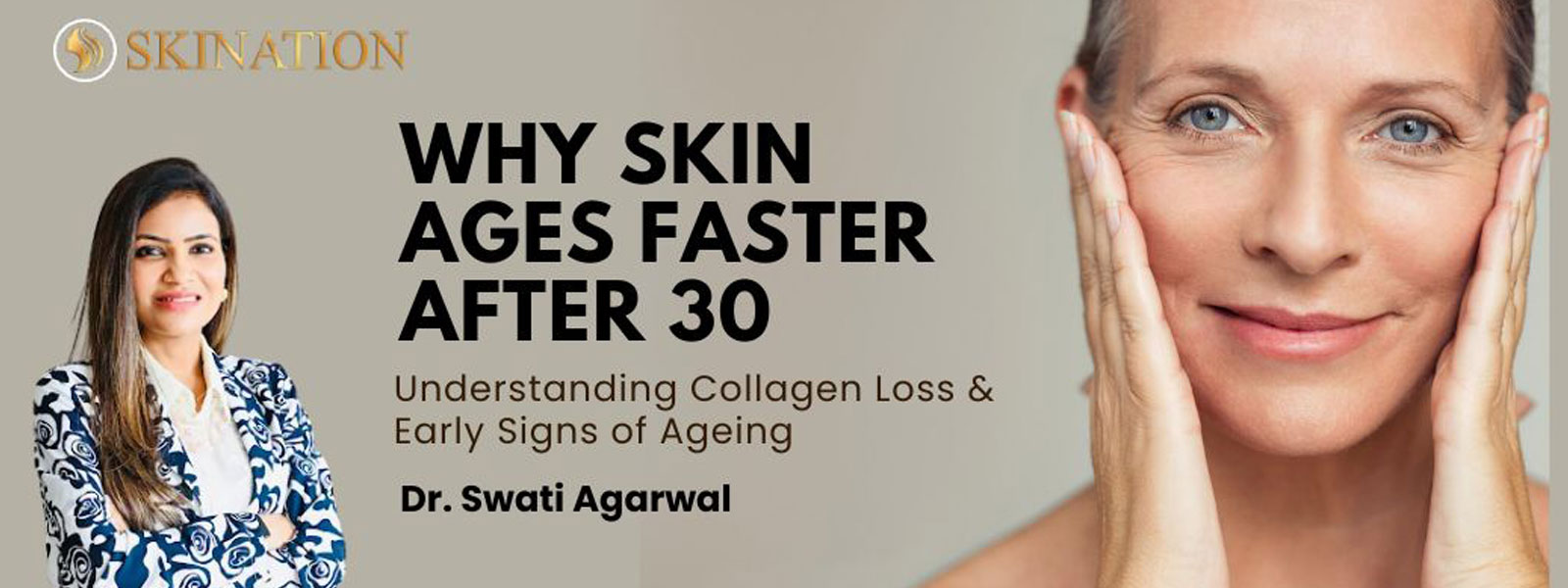
This change is not “sudden aging.” It is usually the result of gradual collagen loss that becomes more noticeable during the 30s.
At our clinics in Faridabad and Chhatarpur, many patients in their late 20s and 30s are now seeking preventive and regenerative treatments not because they want dramatic transformation, but because they want to maintain healthy, natural-looking skin for longer.
Understanding how collagen changes with age helps patients make better decisions regarding skincare, lifestyle, and aesthetic treatments.
What Is Collagen and Why Is It Important?
Collagen is one of the most important structural proteins in the skin.
It acts like the skin’s internal support framework and contributes to:
* Firmness
* Elasticity
* Smoothness
* Strength
* Skin thickness
* Structural support
When collagen levels are healthy, the skin appears:
* Plump
* Youthful
* Resilient
* Hydrated
* Firm
However, collagen production naturally declines with age.
This process begins earlier than most people realize.
At What Age Does Collagen Loss Start?
Scientifically, collagen decline can begin as early as the mid-20s.
After the age of approximately 25–30 years, collagen production gradually slows down every year.
Initially, these changes may not be very visible. But over time, cumulative collagen loss starts affecting:
* Skin firmness
* Facial support
* Elasticity
* Recovery capacity
* Fine lines
* Texture quality
This is why many individuals begin noticing visible changes in their 30s.
Why Does Skin Age Faster After 30?
Aging is influenced by both intrinsic and extrinsic factors.
Intrinsic aging includes:
* Natural collagen decline
* Genetic factors
* Hormonal changes
* Reduced cellular turnover
Extrinsic aging includes:
* Sun exposure
* Pollution
* Smoking
* Stress
* Poor sleep
* Nutritional deficiencies
* Lifestyle habits
In reality, most patients experience a combination of both.
By the 30s, the cumulative effect of these factors becomes more apparent.
Common Signs of Collagen Loss After 30
Patients often notice:
* Fine lines around the eyes
* Mild skin laxity
* Dullness
* Reduced glow
* Under-eye hollowness
* Nasolabial folds becoming more visible
* Slower skin recovery
* Uneven texture
* Mild facial volume loss
Importantly, aging is not only about wrinkles.
The face undergoes changes in:
* Skin quality
* Fat compartments
* Bone support
* Hydration
* Elasticity
* Facial structure
This is why modern aesthetic dermatology focuses on overall skin health and structural preservation rather than simply treating wrinkles.
Does Lifestyle Really Affect Collagen?
Absolutely.
Lifestyle has a major impact on how quickly collagen declines.
Some of the biggest collagen-damaging factors include:
Excessive Sun Exposure
UV radiation is one of the strongest contributors to premature collagen breakdown.
Smoking
Smoking accelerates oxidative stress and damages skin repair mechanisms.
Poor Sleep
Skin repair and regeneration are closely linked to sleep quality.
High Stress Levels
Chronic stress increases inflammatory pathways that can negatively affect skin health.
Nutritional Deficiencies
Protein deficiency, iron deficiency, and inadequate antioxidants can affect collagen support.
Excess Sugar Consumption
Glycation caused by excessive sugar intake can damage collagen fibers.
This is why healthy skin is strongly connected to overall internal health.
Why Some People Age Faster Than Others
Patients often compare themselves to friends or siblings and wonder why aging appears earlier in some individuals.
This variation may occur because of:
* Genetics
* Facial anatomy
* Sun exposure habits
* Lifestyle differences
* Smoking
* Hormonal factors
* Stress levels
* Skincare practices
Some individuals genetically maintain collagen longer, while others may develop earlier volume loss or laxity.
This is why anti-aging treatment should always be individualized.
The Shift Toward Preventive Aesthetic Dermatology
Earlier, aesthetic treatments were often sought only after visible aging became advanced.
Today, many patients prefer preventive approaches.
Preventive dermatology focuses on:
* Slowing collagen decline
* Maintaining skin quality
* Supporting skin health early
* Preserving natural facial structure
* Preventing deeper aging changes
This approach is often more conservative and natural-looking compared to aggressive correction later.
What Treatments Help Support Collagen?
Modern dermatology offers several options aimed at improving collagen support and skin quality.
Depending on the patient’s concerns, treatment plans may include:
* Collagen stimulators
* Microneedling
* Radiofrequency-based procedures
* Regenerative injectable treatments
* PDRN-based therapies
* Biostimulatory treatments
The goal is not to artificially change facial identity but to support healthier aging.
At our clinics, treatment planning focuses on skin quality, facial balance, and long-term maintenance rather than temporary trends.
Are Collagen Supplements Enough?
Collagen supplements are extremely popular today, but patients should understand that topical or oral products alone cannot completely stop the aging process.
Good skincare and nutrition are supportive, but collagen loss is influenced by multiple biological mechanisms.
Healthy skin usually requires a combination of:
* Proper skincare
* Sun protection
* Healthy lifestyle
* Medical guidance
* Targeted treatments when needed
No single cream or supplement can replace comprehensive skin health management.
Why “Natural-Looking” Anti-Aging Is Becoming More Popular
One major shift globally is the move away from excessive cosmetic correction.
Patients increasingly prefer:
* Subtle enhancement
* Healthy-looking skin
* Better texture
* Natural facial movement
* Regenerative treatments
* Graceful aging
Modern aesthetic dermatology is increasingly focused on helping patients look refreshed rather than dramatically altered.
This is one of the reasons regenerative and collagen-supportive treatments are becoming more popular worldwide.
Can Collagen Loss Be Completely Prevented?
Aging is a natural biological process and cannot be completely stopped.
However, healthy lifestyle habits and scientifically planned dermatological care may help:
* Slow visible aging
* Improve skin quality
* Support collagen production
* Preserve skin health longer
* Reduce premature aging
Early intervention is often easier and more effective than attempting major correction later.
Skincare Habits That Help Maintain Collagen
Some important habits that support healthier skin aging include:
* Daily sunscreen use
* Adequate protein intake
* Good sleep
* Stress management
* Hydration
* Avoiding smoking
* Consistent skincare routine
* Managing hormonal imbalance
* Regular dermatological assessment when needed
Consistency is more important than complicated routines.
The Emotional Side of Aging
Skin aging is not only a physical process. It also affects confidence and self-perception for many individuals.
The goal of aesthetic dermatology should not be unrealistic perfection.
Healthy treatment philosophy should focus on:
* Confidence
* Skin health
* Natural results
* Graceful aging
* Individual beauty
Good aesthetic treatment should enhance, not erase, individuality.
Final Thoughts from Dr. Swati Agarwal
Collagen loss is a gradual biological process that becomes increasingly visible after the age of 30.
Understanding these changes early helps patients make informed decisions regarding skincare, prevention, and treatment options.
Modern anti-aging dermatology is no longer about overcorrection or artificial transformation. The focus is shifting toward:
* Skin quality
* Regeneration
* Prevention
* Natural rejuvenation
* Healthy aging
Subtle, scientifically planned care often creates the most elegant long-term results.
Frequently Asked Questions
At what age does collagen loss start?
Collagen decline may begin gradually after the mid-20s and becomes more noticeable during the 30s.
Can skincare products alone rebuild collagen?
Skincare helps maintain skin health, but collagen loss is influenced by multiple biological factors.
Is aging after 30 normal?
Yes. Gradual skin changes after 30 are a natural part of the aging process.
Which treatments help stimulate collagen?
Depending on individual concerns, treatments may include skin boosters, microneedling, collagen stimulators, lasers, and regenerative procedures.
Can lifestyle affect skin aging?
Absolutely. Sun exposure, smoking, stress, sleep, and nutrition all significantly influence skin quality and collagen health.