
✖

Mar, 25 2026
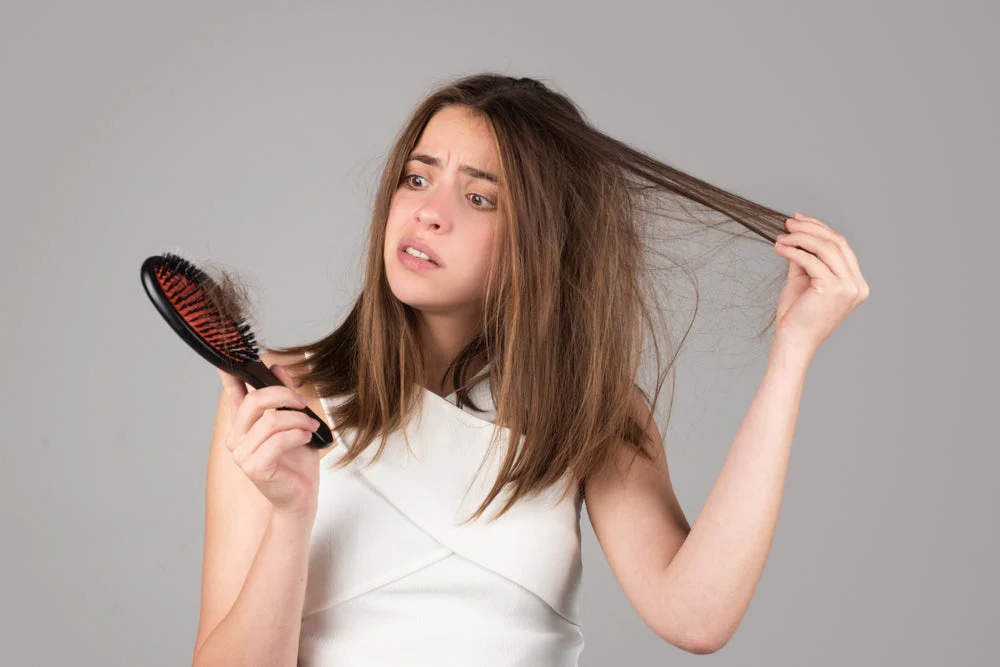
While losing some hair every day is completely normal, persistent hair fall can be distressing and may indicate an underlying medical issue. Many people initially try home remedies, oils or supplements, but effective treatment requires understanding the actual cause.
Dermatologists such as Dr. Swati Agarwal and Dr. Rajat Gupta frequently evaluate patients with hair loss and emphasize that early diagnosis greatly improves treatment outcomes.
Understanding the Hair Growth Cycle
Human hair grows in a repeating cycle consisting of three stages:
Anagen (growth phase) – hair actively grows for several years.
Catagen (transition phase) – the follicle shrinks slightly.
Telogen (resting phase) – hair eventually sheds and new growth begins.
Normally around 50–100 hairs per day are shed as part of this cycle.
However, if hair shedding increases significantly or hair density decreases, it may indicate a disruption in the hair growth cycle.
Common Causes of Hair Fall in Women
Hair fall is rarely caused by a single factor. In dermatology practice across Faridabad and Chattarpur South Delhi, several causes are commonly identified.
Hormonal Imbalances
Hormonal fluctuations play a major role in female hair loss. Conditions such as polycystic ovarian syndrome (PCOS) and thyroid disorders can disrupt normal hair growth cycles.
Women with PCOS may also experience acne and unwanted facial hair along with hair thinning.
Nutritional Deficiencies
Hair follicles require adequate nutrition to grow healthy hair. Deficiencies in iron, vitamin D, vitamin B12 and protein can weaken hair roots and increase shedding.
Many patients with persistent hair fall are found to have low iron stores, especially women with heavy menstrual cycles.
Stress-Related Hair Loss
Physical or emotional stress can trigger a condition called telogen effluvium.
In this condition, a large number of hair follicles prematurely enter the shedding phase.
Common triggers include illness, major stress, rapid weight loss or surgery.
Post-Pregnancy Hair Fall
Many women notice increased hair shedding a few months after childbirth.
This happens due to hormonal changes and is generally temporary, although it can cause considerable anxiety.
Genetic Hair Thinning
Female pattern hair loss is a hereditary condition where hair gradually becomes thinner over time, particularly along the central scalp.
Early treatment can slow progression and improve hair density.
Dermatologist’s Clinical Insight
In clinical practice, dermatologists often see patients who have been trying different hair oils, shampoos or supplements for months before seeking medical advice.
While these products may improve hair texture temporarily, they do not address underlying causes such as hormonal imbalance or nutritional deficiency.
Dermatologists recommend a thorough evaluation so that treatment can be directed at the root cause rather than just the symptoms.
How Dermatologists Diagnose Hair Loss
Diagnosis typically begins with a detailed consultation.
During the appointment, dermatologists may perform:
* Scalp examination
* Hair pull test
* Dermoscopic analysis of the scalp
* Blood investigations if required
These tests help identify whether hair loss is related to hormonal imbalance, nutritional deficiency, genetic factors or stress.
Treatment Options for Hair Fall
Treatment is individualized depending on the underlying cause.
Medical Treatments
Prescription medications may be used to stimulate hair follicles and slow down hair thinning.
These treatments help prolong the growth phase of hair and improve scalp circulation.
Platelet-Rich Plasma Therapy
One increasingly popular treatment for hair loss is Platelet-Rich Plasma Therapy.
The procedure involves concentrating growth factors from the patient’s own blood and injecting them into the scalp.
These growth factors stimulate hair follicles and promote healthier hair growth.
Multiple sessions are usually recommended for optimal results.
Nutritional Correction
If laboratory tests reveal deficiencies, dietary changes and supplements may be recommended.
Adequate intake of protein, iron and vitamins plays an important role in hair health.
Preventing Further Hair Loss
Although not all hair loss can be prevented, certain lifestyle habits can help maintain healthier hair.
Patients are often advised to:
* Maintain a balanced diet
* Avoid crash dieting
* Manage stress effectively
* Limit excessive heat styling
* Seek early treatment if hair fall increases
Frequently Asked Questions
Is hair fall reversible?
Many types of hair loss improve once the underlying cause is treated.
Does oiling stop hair fall?
Hair oils can condition the scalp but generally do not treat medical causes of hair loss.
How long does hair treatment take to show results?
Hair growth is slow, so visible improvement may take three to six months.
About the Dermatologists
This article is written to help patients understand hair loss and treatment options.
Patients seeking evaluation for hair fall in Faridabad or Chattarpur South Delhi may consult dermatologists Dr. Swati Agarwal or Dr. Rajat Gupta, who regularly treat hair and scalp conditions using evidence-based dermatological therapies.