

✖

May, 15 2026
Hair loss is one of the most common concerns seen in dermatology clinics today. From increasing stress levels and poor lifestyle habits to hormonal imbalance, nutritional deficiencies, pollution, and genetics — multiple factors contribute to progressive hair thinning in both men and women.
Many patients visiting our clinics in Faridabad and Chattarpur often ask the same question:
“Does PRP treatment really regrow hair?”
The answer is yes — PRP can significantly improve hair quality, reduce hair fall, and stimulate hair regrowth in appropriately selected patients. However, the effectiveness of PRP depends on proper diagnosis, scientific treatment planning, and realistic expectations.
As a dermatologist treating hair loss patients regularly, I believe PRP is one of the most useful non-surgical regenerative treatments available today when performed correctly and combined with medical guidance.
Understanding Hair Loss – Why Are So Many People Facing It Today?
Hair fall is no longer limited to older individuals. Even people in their 20s and early 30s are experiencing visible hair thinning, widening partitions, reduced density, and receding hairlines.
Some of the most common causes include:
* Genetic hair loss (androgenetic alopecia)
* Stress-related hair shedding
* Post-COVID hair fall
* Thyroid disorders
* Iron deficiency
* Vitamin D and B12 deficiencies
* Hormonal imbalance
* PCOS-related hair fall
* Crash dieting and weight loss
* Irregular sleep patterns
* Excessive heat and chemical exposure
One important thing patients should understand is that hair loss is usually progressive. Delaying treatment often leads to weakening of follicles over time, making reversal more difficult later.
Early intervention almost always gives better results.
What Is PRP Hair Treatment?
PRP stands for Platelet-Rich Plasma therapy.
It is a regenerative treatment that uses the patient’s own blood to stimulate weakened hair follicles.
The procedure involves:
1. Drawing a small sample of blood
2. Processing it in a specialized centrifuge machine
3. Separating platelet-rich plasma containing growth factors
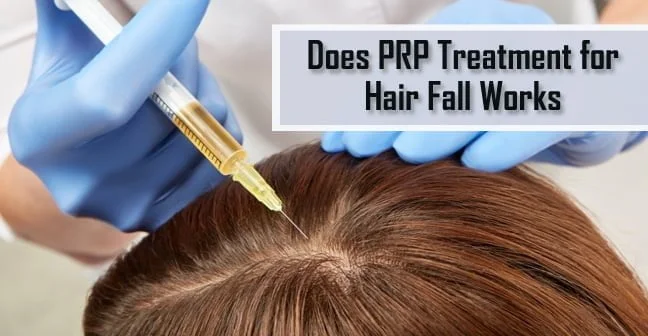
4. Injecting this concentrated plasma into areas of hair thinning
Platelets contain multiple growth factors that help improve tissue healing and follicular activity.
These growth factors may help:
* Stimulate dormant follicles
* Improve blood supply to the scalp
* Increase hair shaft thickness
* Reduce active hair shedding
* Improve overall scalp health
Unlike oils, shampoos, or over-the-counter products that mostly work superficially, PRP aims to biologically activate the scalp environment.
How Does PRP Help in Hair Regrowth?
Hair follicles gradually become weaker in many forms of hair loss. PRP helps by delivering concentrated growth factors directly into the scalp.
Scientifically, PRP is believed to:
* Increase vascular supply around follicles
* Improve follicular nutrition
* Stimulate stem cells around hair roots
* Extend the growth phase of hair
* Reduce follicular miniaturization
This is why patients often notice:
* Reduced hair fall initially
* Better hair texture
* Reduced scalp visibility
* Gradual increase in density over months
However, PRP is not an overnight miracle treatment.
Hair regrowth is a gradual biological process and requires patience and consistency.
Who Is an Ideal Candidate for PRP Hair Treatment?
PRP gives the best results in patients who still have functioning hair follicles.
You may benefit from PRP if you have:
* Early-stage hair thinning
* Male pattern baldness
* Female pattern hair loss
* Excessive hair shedding
* Stress-induced hair fall
* Post-illness hair loss
* Hair thinning after pregnancy
* Mild receding hairline
* Diffuse loss of hair density
PRP is generally more effective in early to moderate hair loss compared to advanced baldness.
In completely bald areas where follicles are no longer active, PRP response is usually limited.
This is why proper scalp evaluation by a dermatologist is extremely important before starting treatment.
Is PRP Scientifically Proven?
This is one of the most important questions patients ask.
Over the last several years, multiple dermatology studies and clinical trials have shown improvement in:
* Hair density
* Hair thickness
* Hair growth rate
* Reduction in shedding
PRP is widely used globally in dermatology and aesthetic medicine as a regenerative procedure.
However, results vary depending on:
* Severity of hair loss
* Underlying medical conditions
* Quality of PRP preparation
* Injection technique
* Consistency of sessions
* Combination with medical therapy
One major misconception is that PRP alone can permanently cure all forms of baldness.
In reality, hair loss management often requires a comprehensive approach that may include:
* Nutritional correction
* Medical treatment
* Scalp care
* Lifestyle improvement
* Maintenance therapy
At our clinics, PRP protocols are individualized based on scalp analysis and patient needs rather than using the same treatment approach for everyone.
How Many PRP Sessions Are Needed?
PRP works gradually because hair growth itself is a slow biological cycle.
Most patients usually require:
* 3 to 6 initial sessions
* Sessions spaced approximately 4–6 weeks apart
* Maintenance sessions depending on ongoing hair loss
Many patients begin noticing:
* Reduced hair fall within weeks
* Improved texture over 2–3 months
* Better density gradually over several months
Consistency is extremely important.
Stopping treatment midway often reduces the effectiveness of results.
Is PRP Treatment Painful?
PRP is generally considered a tolerable procedure.
Since injections are administered into the scalp, some discomfort may occur temporarily. To improve comfort, numbing methods and cooling techniques are commonly used.
Most patients resume routine activities shortly after treatment.
Mild temporary effects may include:
* Scalp soreness
* Redness
* Tenderness
* Mild swelling
Since PRP uses the patient’s own blood, allergic reactions are extremely uncommon.
PRP Hair Treatment Cost in Faridabad and South Delhi
Many people searching online look for:
* PRP hair treatment cost
* PRP treatment near me
* Best PRP clinic in Faridabad
* Hair regrowth treatment in South Delhi
* PRP for hair fall
The cost of PRP treatment varies depending on several factors:
* Technology and PRP system used
* Expertise of the dermatologist
* Number of sessions required
* Severity of hair loss
* Combination treatments included
Patients should understand that cheaper PRP is not always better PRP.
The quality of plasma preparation, sterility standards, and injection technique significantly influence outcomes.
Why Proper Diagnosis Matters Before PRP
One of the biggest mistakes patients make is starting hair treatments without identifying the underlying cause.
Hair fall may sometimes be linked to:
* Iron deficiency anemia
* Thyroid dysfunction
* Hormonal imbalance
* PCOS
* Vitamin deficiencies
* Stress-related telogen effluvium
* Scalp inflammation
If these triggers are ignored, PRP alone may not deliver satisfactory improvement.
This is why a dermatologist-guided approach is essential.
At our clinics, hair evaluation often includes:
* Detailed scalp examination
* Hair density assessment
* Medical history review
* Nutritional evaluation
* Lifestyle assessment
This helps create a personalized treatment plan rather than a generic protocol.
Can PRP Be Combined with Other Hair Treatments?
Yes, combination therapy often gives superior outcomes.
Depending on the patient’s condition, PRP may be combined with:
* Medical therapy
* Growth factor treatments
* Hair nutrition correction
* Low-level laser therapy
* Scalp treatments
* Hair transplant support protocols
The goal is not only temporary improvement but long-term follicular preservation.
Common Myths About PRP Hair Treatment
Myth 1: PRP Gives Instant Hair Growth
Hair growth takes time. PRP improves scalp biology gradually.
Myth 2: One Session Is Enough
Multiple sessions are usually required for visible improvement.
Myth 3: PRP Works in Complete Baldness
PRP works best where active follicles are still present.
Myth 4: PRP Permanently Stops Genetic Hair Loss
Genetic hair loss is progressive and may require maintenance treatment.
Myth 5: Home Remedies Work Better Than Medical Treatment
Delaying scientific treatment may worsen long-term hair thinning.
Lifestyle Tips to Improve Hair Health Alongside PRP
Patients often achieve better outcomes when PRP is combined with healthy lifestyle habits.
Important recommendations include:
* Adequate protein intake
* Proper sleep cycle
* Stress management
* Avoiding crash diets
* Correcting nutritional deficiencies
* Gentle scalp care
* Limiting excessive heat styling
* Managing hormonal disorders
Hair health reflects overall internal health to a large extent.
Final Thoughts from Dr. Rajat Gupta
PRP is one of the most promising non-surgical options for managing hair thinning and early hair loss when done scientifically and consistently.
The treatment is not about creating unrealistic overnight transformation. Instead, it focuses on improving follicular health, slowing progression of hair loss, and enhancing hair quality over time.
The earlier hair thinning is addressed, the better the chances of preserving existing hair.
If you are noticing increased hair fall, widening partition lines, scalp visibility, or gradual reduction in hair density, seeking early dermatological evaluation can make a significant difference.
Frequently Asked Questions (FAQs)
Is PRP safe for hair treatment?
Yes. Since PRP uses the patient’s own blood, it is generally considered safe when performed under proper medical supervision.
How long does one PRP session take?
A session usually takes around 45–60 minutes.
Can women undergo PRP hair treatment?
Absolutely. PRP is commonly performed in women with hair thinning and diffuse hair loss.
When will I see visible results?
Most patients notice gradual improvement over a few months with consistent sessions.
Is PRP better than hair transplant?
PRP and hair transplant serve different purposes. PRP is mainly used for strengthening existing follicles and slowing hair thinning.